
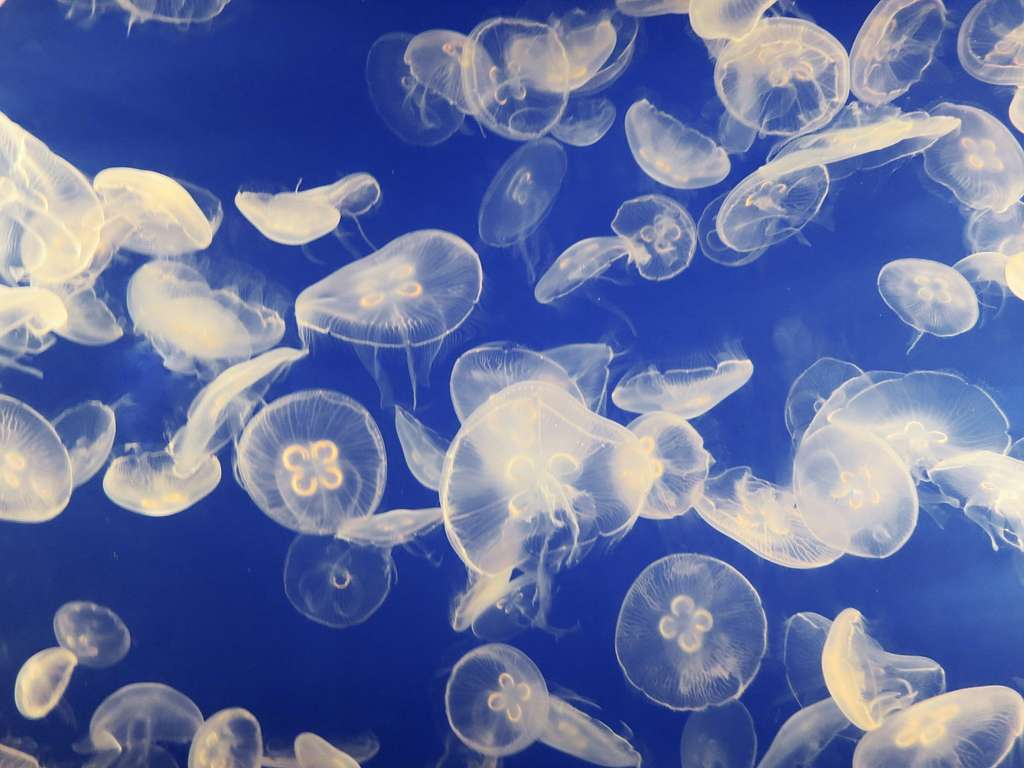
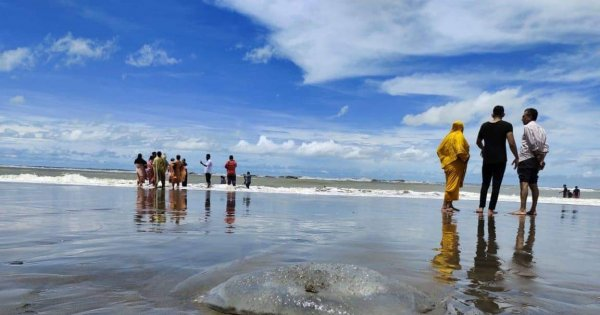
The coastal area of Bangladesh – especially Cox’s Bazar – experienced an unparalleled phenomenon in August 2022: a large concentration of Lobonemoides robustus jellyfish was seen along the coast from Najdirartek to Sabrang Jurnal Alse in just two days. Hundreds of dead jellyfish were again observed washing ashore between Kalatali and Darianagar in November 2022, demonstrating that this phenomenon was not a unique incidence. The abrupt and enormous arrival of jellyfish during these blooms has alarmed local people and marine ecologists. This may not sound like important news but most don’t realize the importance of these gelatinous organisms to marine environments. Jellyfish are also extremely adaptable – their increasing size and frequency is the result of a combination of biological characteristics of jellyfish and environmental factors. According to researchers, jellyfish blooms reflect changes in water temperature, pollution, overfishing, and other stressors brought on by humans.
Jellyfish can reproduce either sexually (as medusae in open water) or asexually (as polyps adhering to hard surfaces). Under favorable conditions, polyps strobilate, releasing a massive number of juvenile jellyfish simultaneously.
Here are some things to consider:
- Rising sea surface temperatures speed up jellyfish metabolism and reproduction.
- Eutrophication caused by fertilizer runoff enhances the abundance of plankton, providing jellyfish with an ample food source.
- Overfishing of predators like turtles and certain fish impairs natural population control.
- Coastal change and pollution create more surfaces for polyps to cling to and survive
- Salinity and climatic fluctuations further influence their survival and growth.
Combine all of these and you get a jellyfish bloom. Because of their extreme adaptability, even minor environmental changes can tip the scales in the jellyfish’s favor, allowing them to outcompete fish and other animals.
Blooms of Lobonemoides robustus in Bangladesh mostly occur in semi-enclosed coastal areas such as harbors, bays, lagoons, and estuaries. Strong daily and monthly temperature fluctuations, limited access to open seas, and dynamic environmental conditions trigger strobilation, the jellyfish reproductive process. Consequently, blooms are rare in deep seas, less common on open beaches.
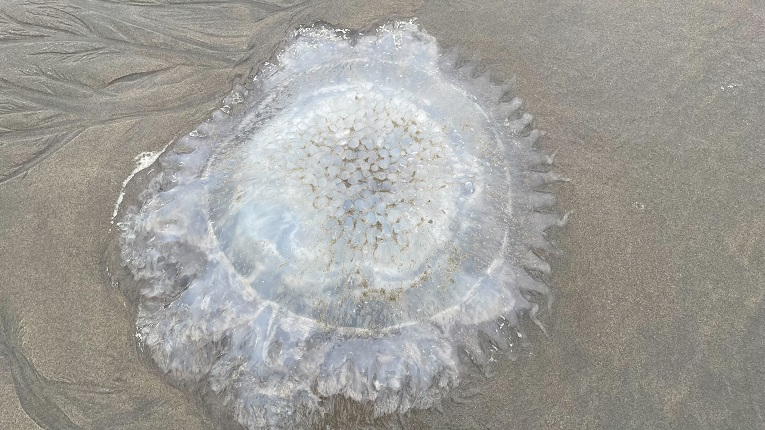
This is basically what happened in Bangladesh in 2022 but there were some other things. Local fishing practices of the area exacerbated the situation. Most fishermen use current or Ilish nets, while some use behendi nets, which catch the largest numbers as bycatch. Trawl fishing also contributed to the issue. Since jellyfish have little market value in Bangladesh, all captured individuals were discarded. Coastal currents then concentrated the dead and dying jellyfish between Darianagar and Laboni Beach, resulting in the enormous strandings that occurred in August and November 2022.
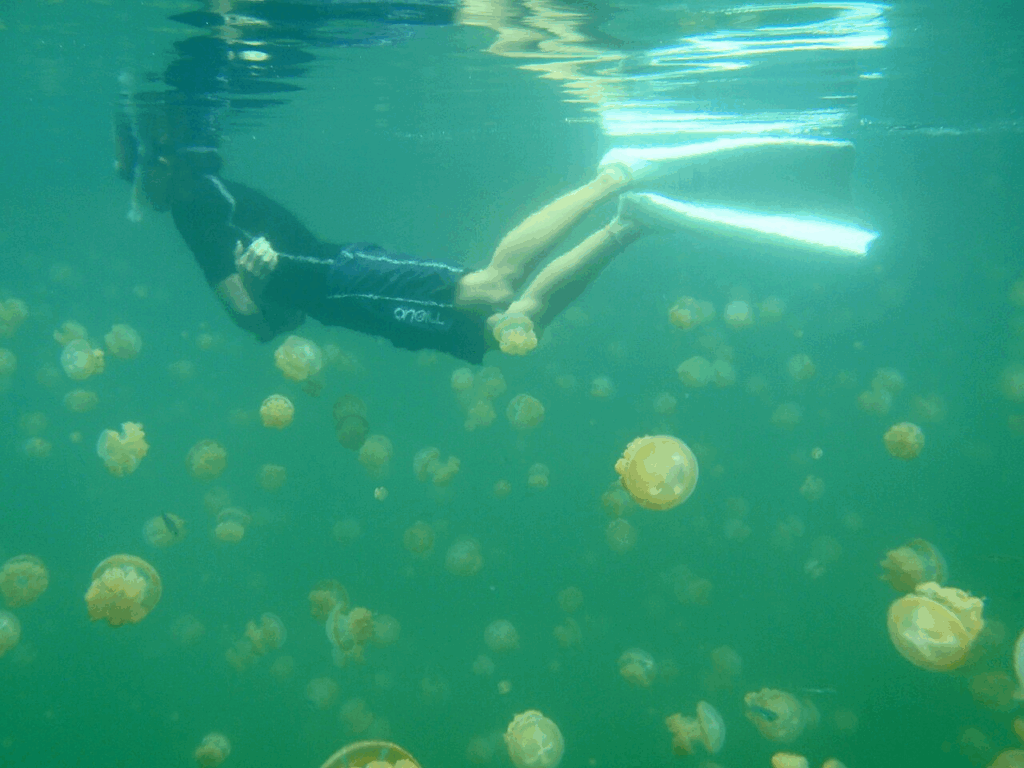
Globally, jellyfish blooms are becoming more and more acknowledged as a serious environmental issue. Ecologically, large populations of jellyfish harm fisheries and marine biodiversity by competing with fish for plankton, upsetting food webs, and feeding on fish larvae. Economically speaking, blooms can harm fishing gear, jam nets, and decrease fish catches,disrupting the local economy.
Jellyfish can obstruct cooling water intakes of vessels and plants which lower operating efficiency of coastal businesses like ports, power plants, and desalination plants particularly vulnerable. Decomposing jellyfish also produce nutrients that can cause oxygen depletion, which can lead to localized hypoxia and further stress marine ecosystems. Overfishing, nutrient enrichment from urban and agricultural runoff, rising sea surface temperatures, and shifting salinity all contribute to the favorable conditions for jellyfish blooms in Bangladesh. Even while there hasn’t been much research done locally on these blooms, evidence from throughout the world indicates that if they continue, the nation’s coastal areas may face significant ecological, economic, and societal difficulties.
Leave a Reply